FreD Facts
235 FreD locations - Over 620 certified FreD trainers - Up to 10,000 young people annually at FreD


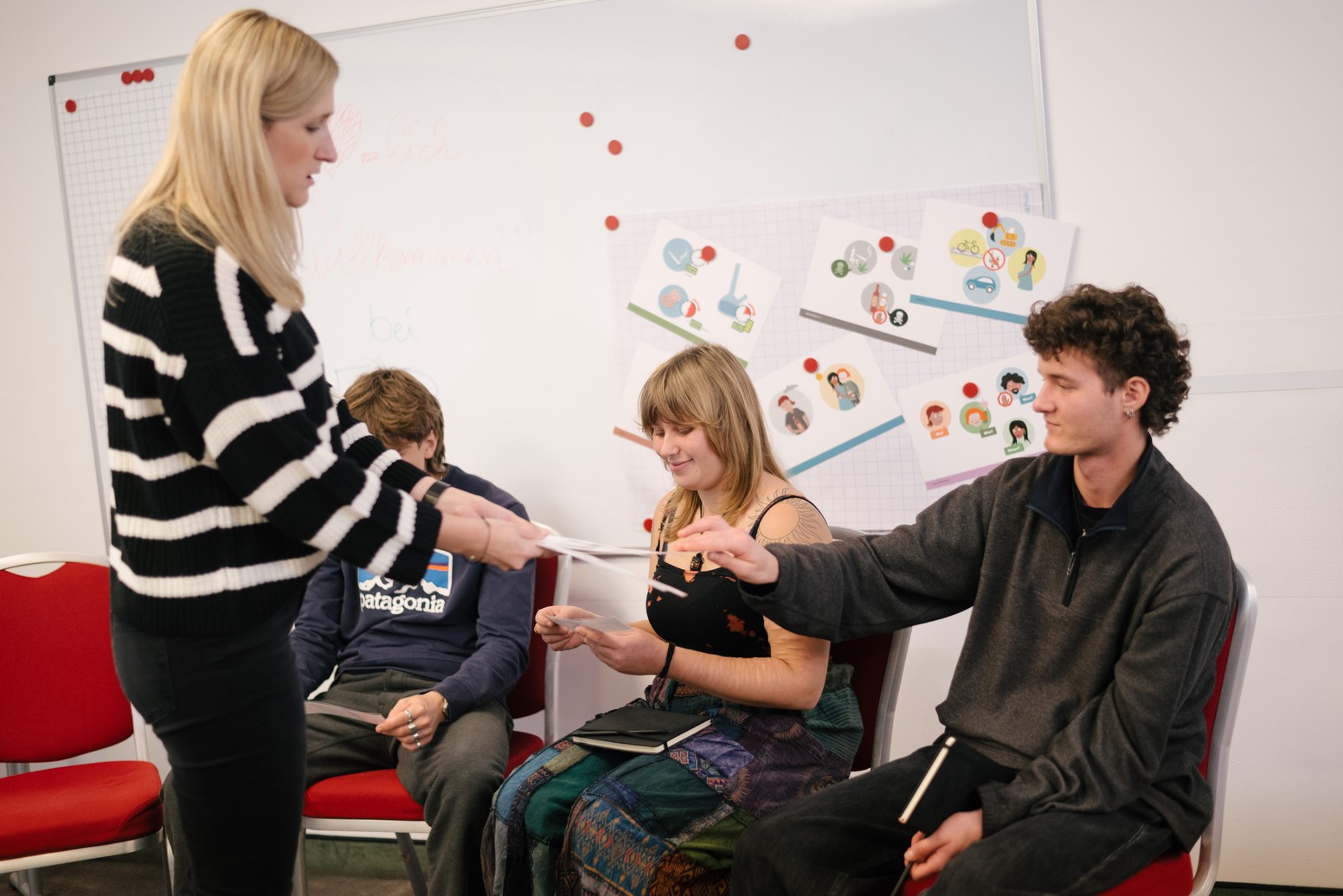

We offer young consumers a risk assessment and the opportunity to change!


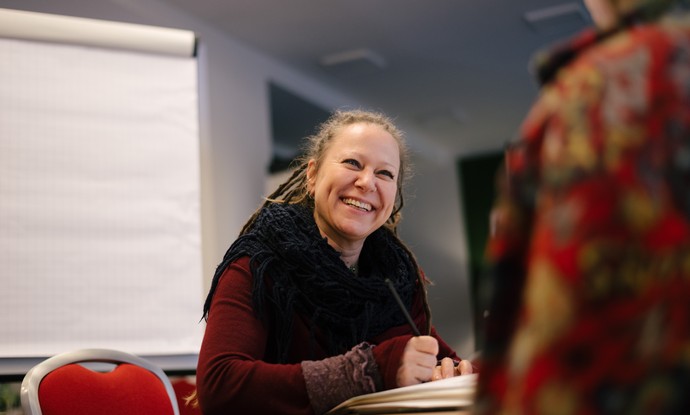
Make good use of the increased awareness of early intervention.
First, the good news: the principle of “don't look away, take early action” remains unchanged. On the contrary, Section 7 of the CanG now gives early intervention a central role in legislation. During the legislative process, explicit reference was made to our well-established and effective early intervention program “Early Intervention for First-Time Drug Users (FreD)”. The range of early intervention measures is to be expanded to such an extent that all young people under the age of 18 who violate the administrative ban on cannabis use (without committing a criminal offense) have access to appropriate measures at a reasonable cost. Low-threshold participation is to be made possible and, in the future, also digitally.
The principle of “successful cooperation” is and remains central to the program: a local steering group works with the relevant stakeholders to identify the best ways of reaching young people who engage in risky consumption. The better the agreements on cooperation and with the FreD provider, the more successfully it will be possible to respond to conspicuous behavior involving legal and illegal addictive substances. The CanG primarily mentions the police and regulatory authorities as well as local public youth welfare agencies. Even before the CanG came into force, other local cooperation partners played an important role. These include all conceivable settings in which young people have always been noticed for risky consumption and referred to FreD providers: schools, residential youth welfare services, training companies, road traffic authorities, etc. These very diverse local cooperation arrangements will certainly need to be intensified in the near future. For referring institutions, FreD offers a great opportunity to enable young people to actively address their own (risky) consumption. In this way, conspicuous behavior is used in a meaningful educational way instead of being excessively sanctioned. And through good cooperation, it can relieve the burden on the referring institutions.
FreD has also undergone continuous development in recent decades. With the addition of FreD-ATS (amphetamine-type stimulants/NPS), however, the program has been responding to changing (mixed) consumption patterns among young people for some time now. The methods and content of the FreD program have been adapted accordingly. It remains to be seen whether this will lead to a shift in demand for FreD (e.g., due to changes in police control behavior).
With the BMG-funded project “FreD Next Level”, we responded to existing and anticipated needs parallel to the development of CanG. With blu:prevent, we are combining successful digital addiction prevention with FreD. Together with young people and former FreD participants, the program's appearance was updated and possible strategies for increasing voluntary participation were examined. The next step in this project will be to focus more strongly on schools. A milestone will be the “fred_online” offering, which is currently being tested and is integrated into the blu:app. This addition will enrich the analog implementation of FreD courses, but it will also enable FreD providers to offer the program digitally or in a hybrid format. This takes into account the changing communication behavior of young people as well as the challenges faced in rural areas, for example.
As the developer of the FreD program, the LWL Coordination Office for Addiction will engage in dialogue with FreD trainers and FreD coordinators in the federal states and state offices for addiction issues in the coming months to discuss how the resulting challenges can be overcome and what opportunities arise from this new awareness of the importance of early intervention. The LWL-KS will provide FreD providers with supporting materials to promote FreD. Where possible, relevant interest groups will also be provided with specific information. We are confident that, despite all the challenges, the FreD program can make positive use of the changed awareness of early intervention that has been expressed within the framework of the CanG.
The following will continue to apply in the future: Any conspicuous consumption of legal or illegal addictive substances should be followed by a health-related (brief) intervention. In this way, disruptions in young people's lives can be avoided at an early stage and, if necessary, further (internal and external) help can be offered.
April 8, 2024
Alkohol und Drogen können für alle Menschen gefährlich sein.
Auch junge Menschen können deswegen Probleme bekommen.
Schnelle Hilfe ist dann wichtig.
Es gibt darum ein Programm:
Das sofort hilft.
Wenn junge Menschen Probleme wegen Drogen bekommen.
Das Programm heißt FreD.
FreD ist das kurze Wort für:
Früh-Intervention bei erstauffälligem Drogen-Konsum.
FreD bedeutet:
Junge Menschen bekommen sofort Hilfe:
Wenn sie das erste Mal Probleme wegen Drogen haben.
FreD will so verhindern:
Dass die jungen Menschen immer mehr Probleme bekommen.
FreD will einen Ausweg zeigen.
FreD ist keine Strafe.
FreD ist eine Beratung.
Die jungen Menschen können bei der Beratung lernen:
Das sind die Gefahren von Drogen.
Die jungen Menschen können manchmal eine Strafe verhindern:
Wenn sie bei FreD mitmachen.
Es gibt FreD überall in Deutschland.
FreD ist für junge Menschen zwischen 14 Jahren und 21 Jahren:
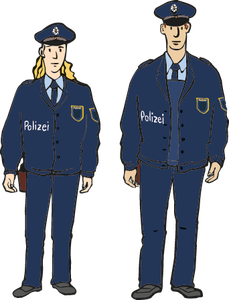
Die von der Polizei erwischt worden sind.
Oder die in der Schule erwischt worden sind.
Zum Beispiel:
Weil die jungen Menschen Drogen genommen haben.
Oder weil die jungen Menschen betrunken waren.
Die Polizei schickt die jungen Menschen dann zu FreD.
Oder die Schule.
Oder die Eltern.
Die Teilnahme an FreD ist aber freiwillig.
Die jungen Menschen müssen selbst mitmachen wollen.
Die jungen Menschen können sich informieren:
Bevor sie mitmachen.
Die jungen Menschen können einen Termin bekommen
bei einer FreD-Beratungs-Stelle.
Das erste Gespräch ist zum Kennenlernen.
Die jungen Menschen können Infos zu FreD bekommen.
Die jungen Menschen müssen nicht sagen:
Sie wollen keinen Alkohol mehr trinken.
Oder keine Drogen mehr nehmen.
Die Berater von FreD fragen:
Wie die jungen Menschen erwischt worden sind.
Die Berater erklären auch:
Welche Hilfen es gibt.
Die jungen Menschen können nach dem Gespräch entscheiden:
Ob sie bei FreD mitmachen wollen.
Oder bei einer anderen Hilfe.
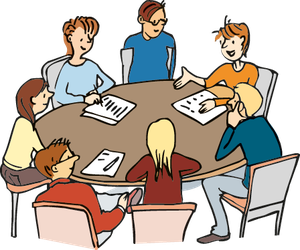
FreD ist eine Gruppen-Beratung.
Die jungen Menschen sprechen bei der Beratung mit Trainerinnen.
Und mit anderen jungen Menschen.
Es gibt mehrere kurze Termine.
Die Termine dauern zusammen 8 Stunden.
Nicht länger.
Es können 2 oder 3 oder 4 Termine sein.
Die jungen Menschen reden über diese Themen bei den Terminen:
Wenn man Alkohol trinkt.
Oder wenn man Drogen nimmt.
Oder weniger Drogen nehmen.
Die jungen Menschen bekommen eine Teilnahme-Bescheinigung:
Wenn der Kurs vorbei ist.
Diese Bescheinigung kann man der Polizei geben.
Oder der Schule.
Die jungen Menschen bekommen dann vielleicht keine Strafe.
FreD gibt es schon seit 20 Jahren.
FreD hat schon vielen jungen Menschen geholfen.
FreD kann darum helfen:
Weil den jungen Menschen früh geholfen wird.
Und weil viele Partner zusammen-arbeiten.
Auch die Polizei und die Gerichte.
FreD erwartet nichts von den jungen Menschen.
Die jungen Menschen sollen aber Infos bekommen.
Und über alle Sachen reden können
Die jungen Menschen können sich dann selbst entscheiden:
Wie sie weitermachen wollen.
Entwickelt worden ist FreD von der
Koordinationsstelle Sucht
des Landschaftsverbandes Westfalen-Lippe.
Das kurze Wort dafür ist LWL-KS.
Sie können mehr Infos über FreD bekommen.
Update your browser to view this website correctly.